
Practical clearing for Tyler's pine blocks, red-dirt acreage, homesites, and pond country—quoted after a real parcel walk.

Rose City Land Clearing connects Tyler-area property owners with a local provider for forestry mulching, brush reduction, lot opening, stump work, grading support, and access preparation. East Texas scopes turn on pine spacing, yaupon and privet density, red sandy-loam bearing conditions, drainage, slope, and the room available for tracked equipment. Each request is walked and priced around the parcel rather than forced into a generic per-acre promise.
Describe the acreage, growth, access, and finish you have in mind.
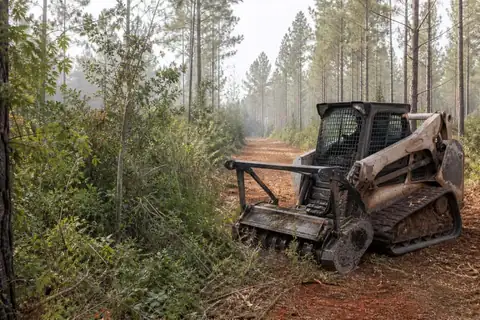
Tracked mulching for yaupon, privet, sweetgum saplings, slash, and smaller pine growth, leaving chipped cover instead of a raw scraped surface.
Explore this service →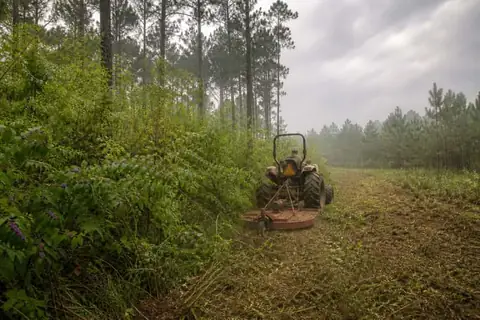
Selective opening beneath keeper trees for visibility, access, fence work, and usable ground without treating every trunk as a removal target.
Explore this service →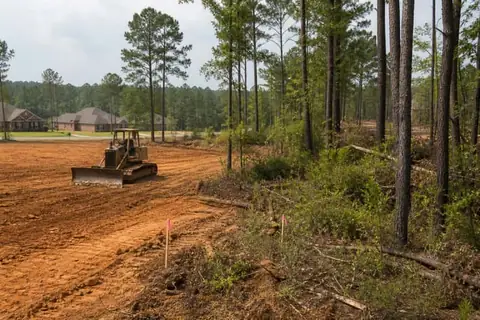
Building-lot opening sequenced around the survey, keeper trees, utilities, drainage, stump treatment, and the finish the next trade needs.
Explore this service →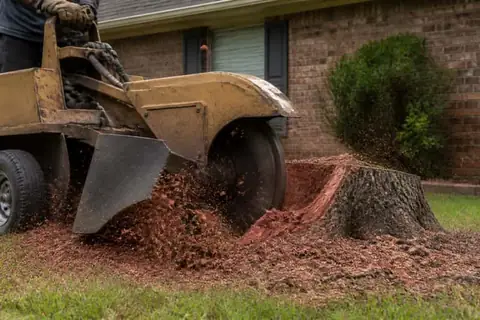
Targeted reduction of stumps below the surrounding surface for lawns, paths, fence repairs, and non-structural reuse of the spot.
Explore this service →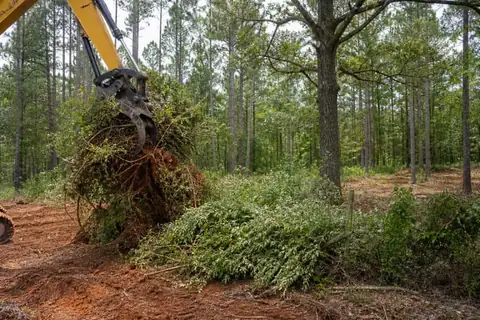
Species-aware removal for privet, Chinese tallow, and other aggressive growth, paired with realistic follow-up instead of a one-pass eradication promise.
Explore this service →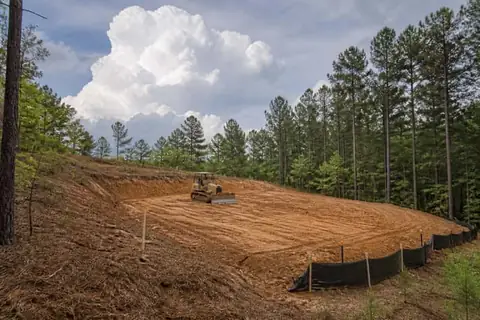
Rough shaping and surface preparation built around elevation, drainage, soil bearing, utility locations, and the requirements of the next construction step.
Explore this service →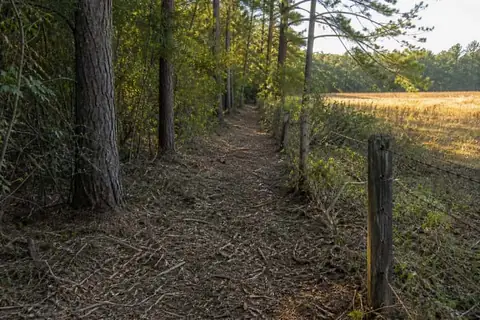
A controlled corridor through privet, yaupon, vine, saplings, and stormfall so a boundary can be seen, repaired, or rebuilt.
Explore this service →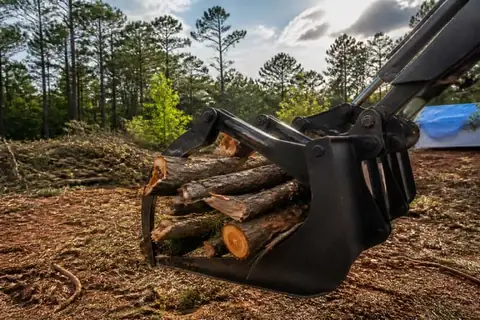
Sorting, cutting, staging, chipping, and hauling storm-damaged woody material after immediate life-safety and utility hazards are cleared.
Explore this service →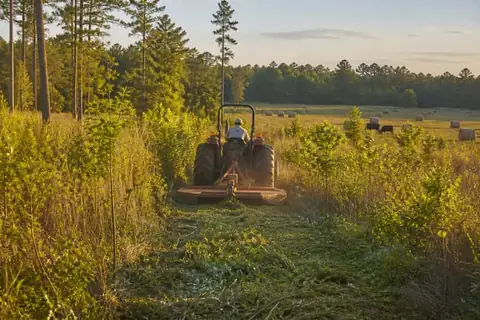
Phased reduction of woody encroachment, rough growth, and inaccessible edges so grazing or hay ground can return to an active management plan.
Explore this service →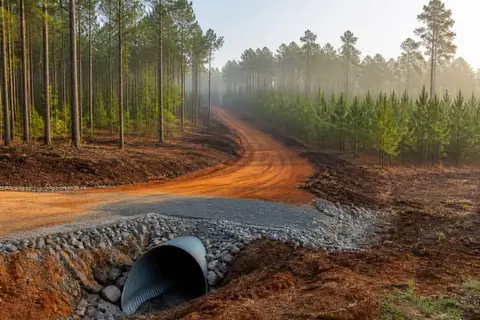
Route opening for rural drives and work access, planned around sight distance, culverts, drainage, turning room, grades, and the bearing of the existing ground.
Explore this service →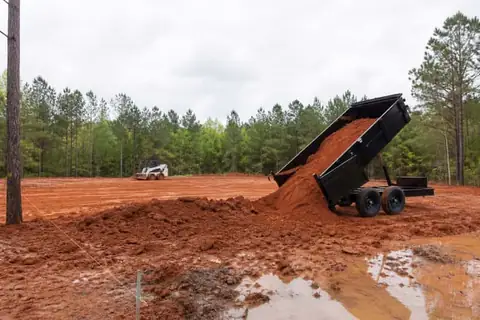
Material placement for low areas and rough shaping, with source, suitability, lift thickness, moisture, compaction, and drainage matched to the intended use.
Explore this service →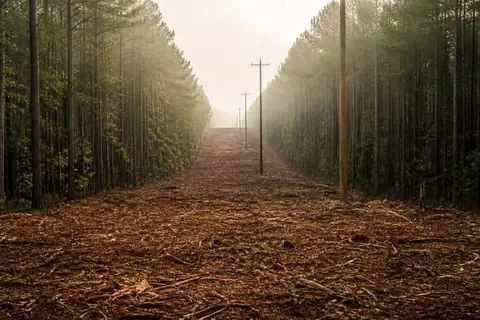
Repeatable vegetation control for utility, access, and recorded easement corridors, with boundaries, infrastructure, environmental constraints, and maintenance cycles defined first.
Explore this service →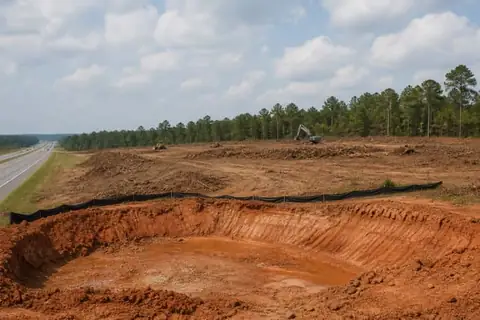
Multi-acre clearing coordinated with survey control, civil plans, erosion measures, utilities, material handling, schedule, and the earthwork contractor's handoff.
Explore this service →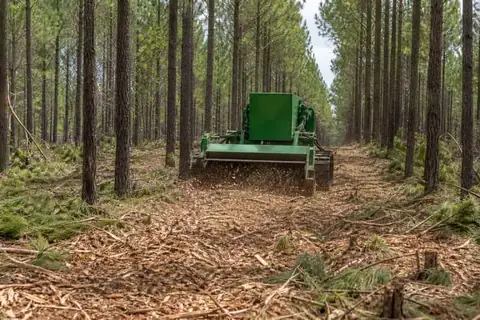
Slash, top, understory, and access cleanup around a forester-led thinning prescription while the selected crop trees and soil remain the priority.
Explore this service →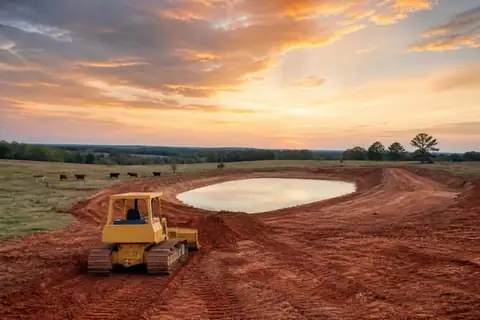
Pond excavation and embankment shaping approached as water, soil, spillway, utility, and permit work—not simply a hole pushed into a low spot.
Explore this service →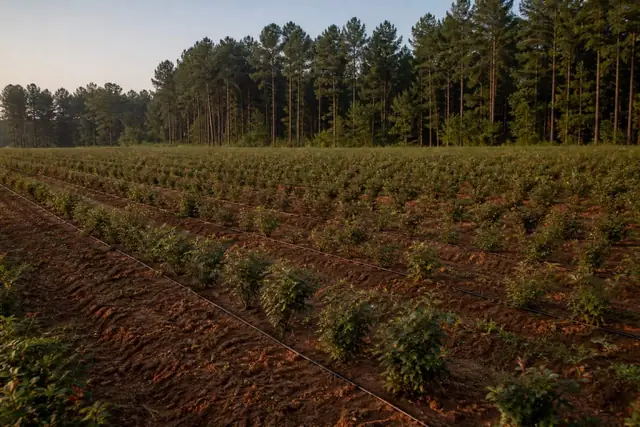
Tyler's service ring changes quickly from subdivision lots to planted pine, hay ground, old fence rows, and stock-pond acreage. The common thread is a scope that respects keeper trees, identifies the low side before grading, and matches the machine to the access—not the other way around.
The main drivers are acreage, stem diameter, brush density, slope, wet ground, access for tracked equipment, disposal method, and how finished the surface must be. A walk of the parcel is the only honest way to separate mulching, grubbing, haul-off, and grading into useful numbers.
It is often a strong fit for yaupon, privet, sweetgum saplings, slash, and smaller volunteer growth beneath a keeper canopy. Merchantable timber decisions and stand prescriptions belong with a forester; the mulcher is best treated as a vegetation and cleanup tool, not a substitute for forestry advice.
No responsible quote should promise that. Mechanical clearing opens the ground and removes stems, but established invasive plants can return from roots, seed, or missed growth. Follow-up treatment and monitoring may be part of the plan.
Sometimes, but not blindly. Tracked machines spread weight better than tires, yet saturated low spots can still rut or pump. The provider checks access and bearing conditions and may sequence wet sections for a drier window.
The excavation plan needs a Texas 811 locate request before digging, and private lines may require separate locating. The scope also identifies drainage or construction-stormwater questions tied to the specific parcel.
Rose City Land Clearing is an independent local marketing site. Calls and forms are connected to a local land clearing provider, who inspects the property, supplies the estimate and contract, and performs or coordinates the work. The site may be paid for the introduction.