

Rose City Land Clearing connects Hideaway property owners with a local land clearing provider for forestry mulching, lot opening, brush clearing, and site support around Hideaway.
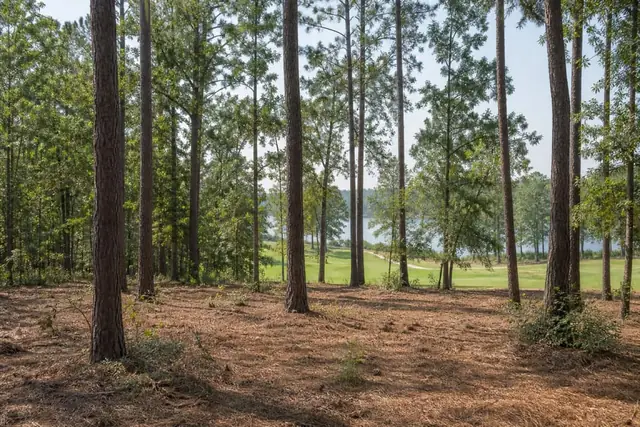
Hideaway projects call for a restrained approach around mature pines, maintained homes, lake or golf edges, and established landscaping. The goal is usually a cleaner, safer understory—not the visual footprint of an acreage clearing operation.
Tight access, shared views, irrigation, buried lighting, and neighborhood work rules can matter as much as the brush itself. A selective plan marks every retained trunk and material route before machinery enters.
Owners should confirm community and parcel requirements before choosing a removal scope, especially near common features or water. The provider can then price machine work, hand edges, chip placement, and cleanup without guessing at permissions.
Rose City Land Clearing routes Hideaway inquiries to a provider who evaluates access and proposes a finish appropriate beside occupied and maintained property.
Thin the understory without sacrificing the mature pine setting
The Texas A&M Forest Service vegetation-management guide supports identifying vegetation and objectives before treatment. On a Hideaway lot, that means tagging keeper pines, useful native screening, ornamental beds, and view corridors so the provider removes designated yaupon, privet, or volunteer stems rather than creating a bare woodland floor.
Pine, brush, grass, and slash arrangements influence fire behavior in different ways. The Texas A&M Forest Service East Texas fuel guide can inform a broader mitigation conversation, but selective cleanup should not be marketed as a complete wildfire prescription or a guarantee against tree failure.
Protect private utilities, neighbors, and a polished finish
Irrigation, landscape lighting, septic service, and utility feeds can sit directly beneath an overgrown bed. The Railroad Commission of Texas damage-prevention page provides official excavation guidance where roots or soil are disturbed, and the owner supplies records or private locating for systems outside the public response.
Wet-weather travel can scar turf and force chips into drainage paths. National Weather Service Shreveport forecasts support scheduling, while plywood, mats, smaller equipment, hand work, or a delay may be selected from the actual access and finish standard.