
Rose City Land Clearing connects Whitehouse property owners with a local land clearing provider for forestry mulching, lot opening, brush clearing, and site support around Whitehouse.
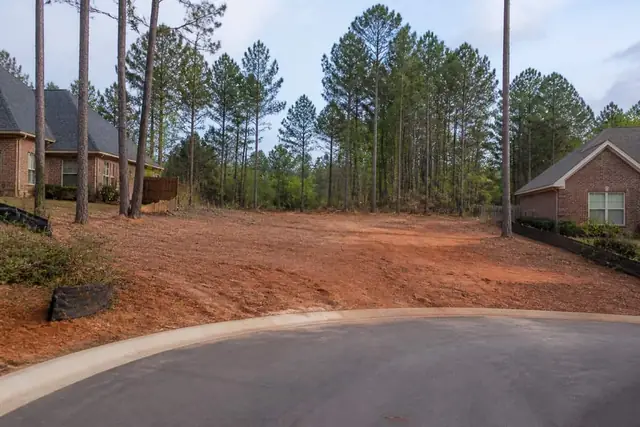
Whitehouse requests often come from pine-backed neighborhood lots where a narrow street frontage opens into a deeper yard. The practical scope starts with the surveyed work area, access width, and the trees or screening the owner expects to retain.
Occupied homes, fences, drainage swales, septic features, and low utility drops can make a half-acre opening more detailed than a larger rural tract. A walk-through gives those edges separate treatment instead of hiding them inside one acreage price.
Lot opening and underbrush reduction work best when the house, drive, landscape handoff, and no-machine zones are marked before cutting begins. That sequence protects control points and lets each finish carry an understandable line item.
Rose City Land Clearing sends the Whitehouse request to a local provider who inspects the parcel, writes the proposed limits and debris method, and contracts directly with the owner.
Fit the machine route between homes, pines, and buried service
A Whitehouse lot may have only one usable path from the street to a brushy rear section. Gates, air-conditioning equipment, septic components, private lighting, and keeper-tree roots should be marked before that path is accepted. For any grubbing or excavation, the Railroad Commission of Texas damage-prevention program provides official statewide locate guidance.
Sandy-looking red ground can change bearing across a swale or imported yard area. The USDA NRCS Web Soil Survey is useful for mapped planning, while the provider confirms current moisture, slope, rut risk, and the surface the owner expects beside the occupied home.
Coordinate the cleared lot with drainage and the next contractor
If the project is part of a larger development or reaches qualifying disturbed acreage, the TCEQ construction-stormwater page explains state coverage thresholds. The lot scope should still name who protects inlets, repairs silt controls, handles exposed soil, and maintains access after the vegetation crew leaves.
A short East Texas downpour can turn a side-yard route into a repair project. National Weather Service Shreveport forecasts help schedule the pass, but the onsite decision depends on actual standing water, soil displacement, and whether a pause protects the lawn and drainage swale.