
Rose City Land Clearing connects Noonday property owners with a local land clearing provider for forestry mulching, lot opening, brush clearing, and site support around Noonday.
Noonday-area small acreage can move between garden ground, pasture corners, pine edges, and homesite plans over a short distance. Each use asks for a different amount of organic removal and a different final surface.
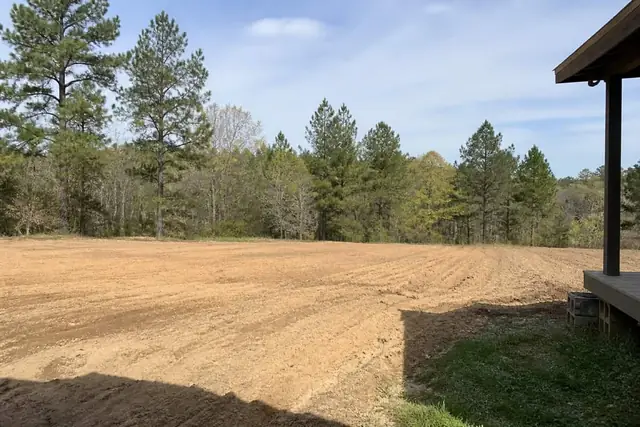
Sandy-looking topsoil, old cultivation rows, irrigation, and wind-exposed field edges should be observed before machinery is selected. Soil color alone cannot show whether a route will carry equipment or support the owner’s next use.
Mapped soil is a useful starting point, while bearing, drainage, vegetation, and actual material need onsite confirmation. The clearing quote should preserve topsoil where appropriate and separate landscape preparation from structural earthwork.
Rose City Land Clearing connects Noonday owners with a provider who inspects the intended garden, field, or homesite zone and writes the finish into a direct proposal.
Protect useful topsoil while opening the selected acreage
The USDA NRCS Web Soil Survey provides mapped soil information for planning around Noonday, but field texture, organic depth, compaction, moisture, and prior cultivation still need onsite observation. A garden expansion may retain and lightly clear surface soil, while a construction area follows an entirely different stripping and fill plan.
If a cleared section will return to forage or hay, the USDA NRCS pasture and hay planting standard page offers conservation-practice context. The vegetation contractor can establish access and remove designated woody growth without promising crop or forage performance that depends on seed, fertility, moisture, and management.
Locate farm services and time work around exposed rows
Irrigation, wells, private electric, septic components, and old field lines should be marked before grubbing. The Railroad Commission of Texas damage-prevention program is the official reference for excavation locate duties, with owner records covering private systems that the public process may not mark.
Freshly opened rows can erode or crust under intense rain. National Weather Service Shreveport forecasts help sequence clearing and stabilization, while the owner and provider decide how chips, topsoil, stumps, and wheel traffic fit the planned planting or building schedule.